Homer
What is the life worth living (and dying) for?
From Homer you will read:
Iliad & Odyssey
Read this page before proceeding to either one.
The Homeric World of the Iliad and the Odyssey
The Muse
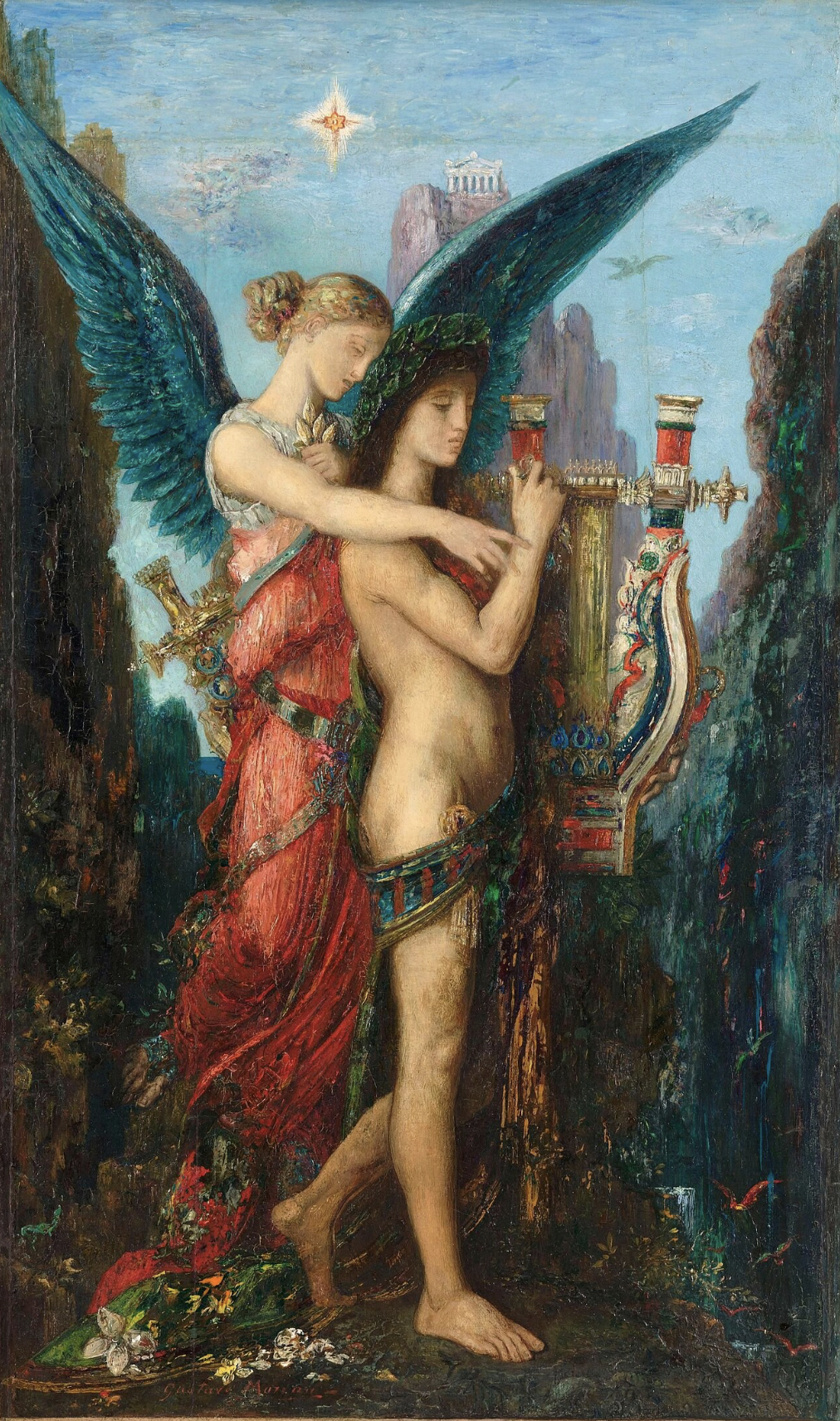
Homer invokes a Muse at the beginning of both the Iliad and the Odyssey. We are thus in a made-up world. Fiction, not history. As you will see the Homeric world is a literary laboratory of human possibility. More on that in due time.
Because you are a philosophical philologist you will notice that the Bible’s Genesis begins with no such Muse. It just begins. You should think about these two literary modes.
Full of Names
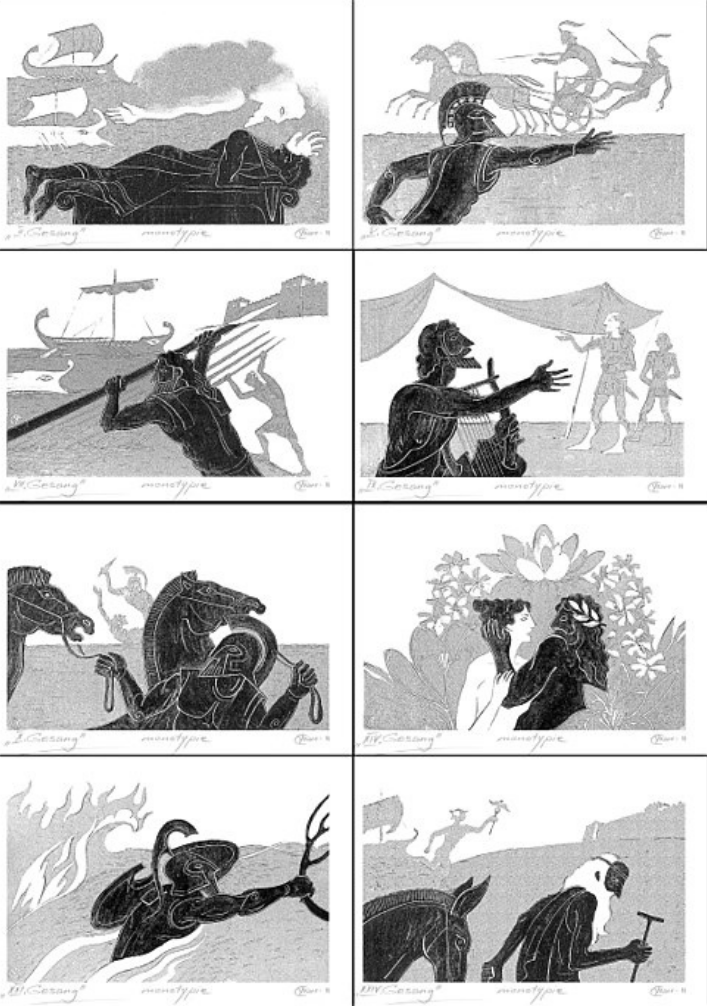
The Homeric world is full of names — names of people, names of gods, names of places. For new readers the names can be overwhelming. Never mind that. Keep reading. You’ll come to know all these people and places.
But you should consider the nature of such a full-of-names world. It is personal. It is populated with minds. It is inhabited by choice-makers. For that is what a person is. With a world so full of persons the stakes involved in everyone’s decisions are high.
No Laws
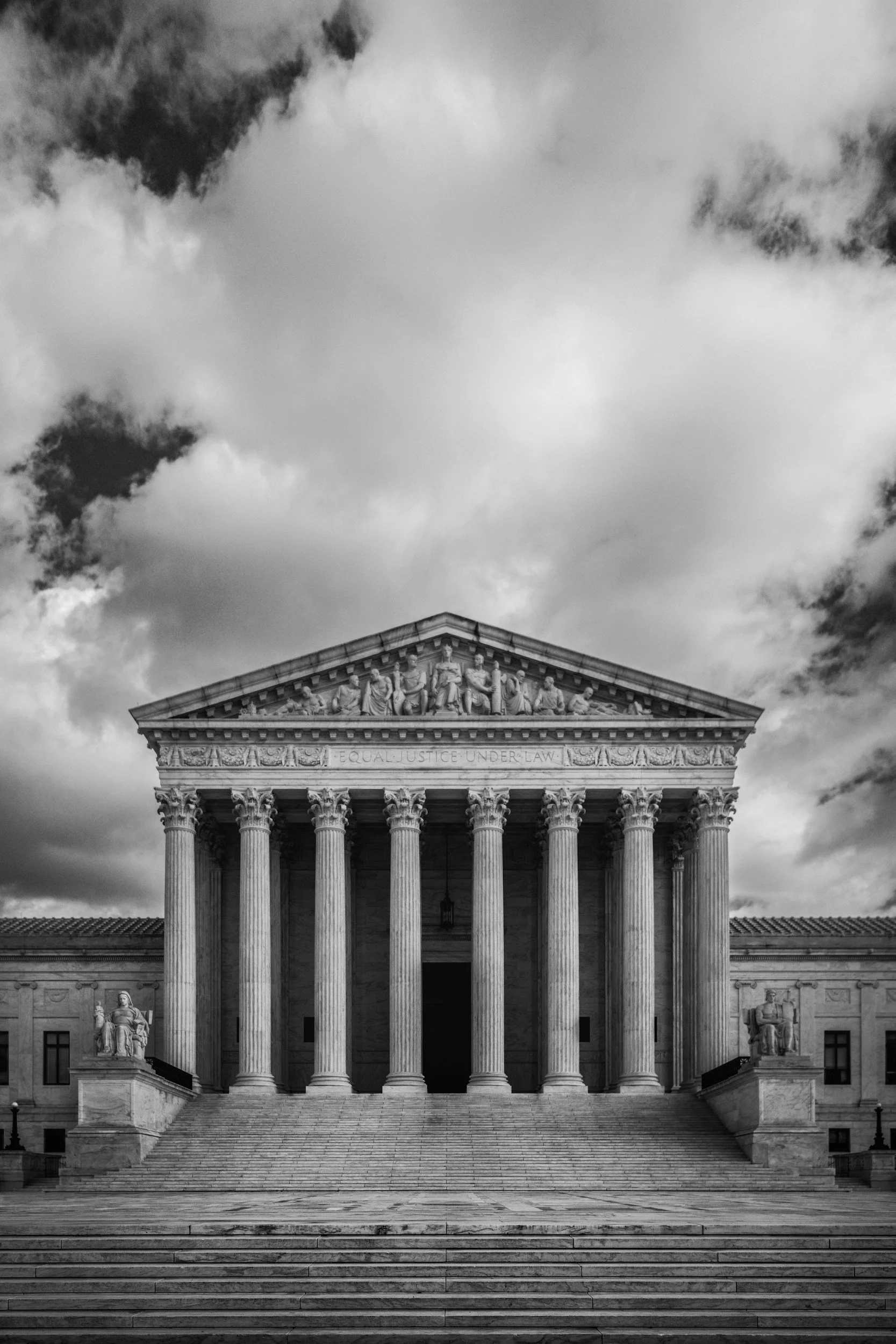
There are no laws in the Homeric world. No constitutions. No nations. No police. No judges. No ideas like the rule of law or equal protection under the law. Laws don’t exist.
So where do Homer’s people go for justice? Each other. The weak, the weakest, the strong, the strongest — all together face to face. Human desires. Raw uncertainty. No legal intermediaries.
The lack of laws puts a premium on personal relationships and individual virtue. You should pay attention to this.
Art Not Mythology
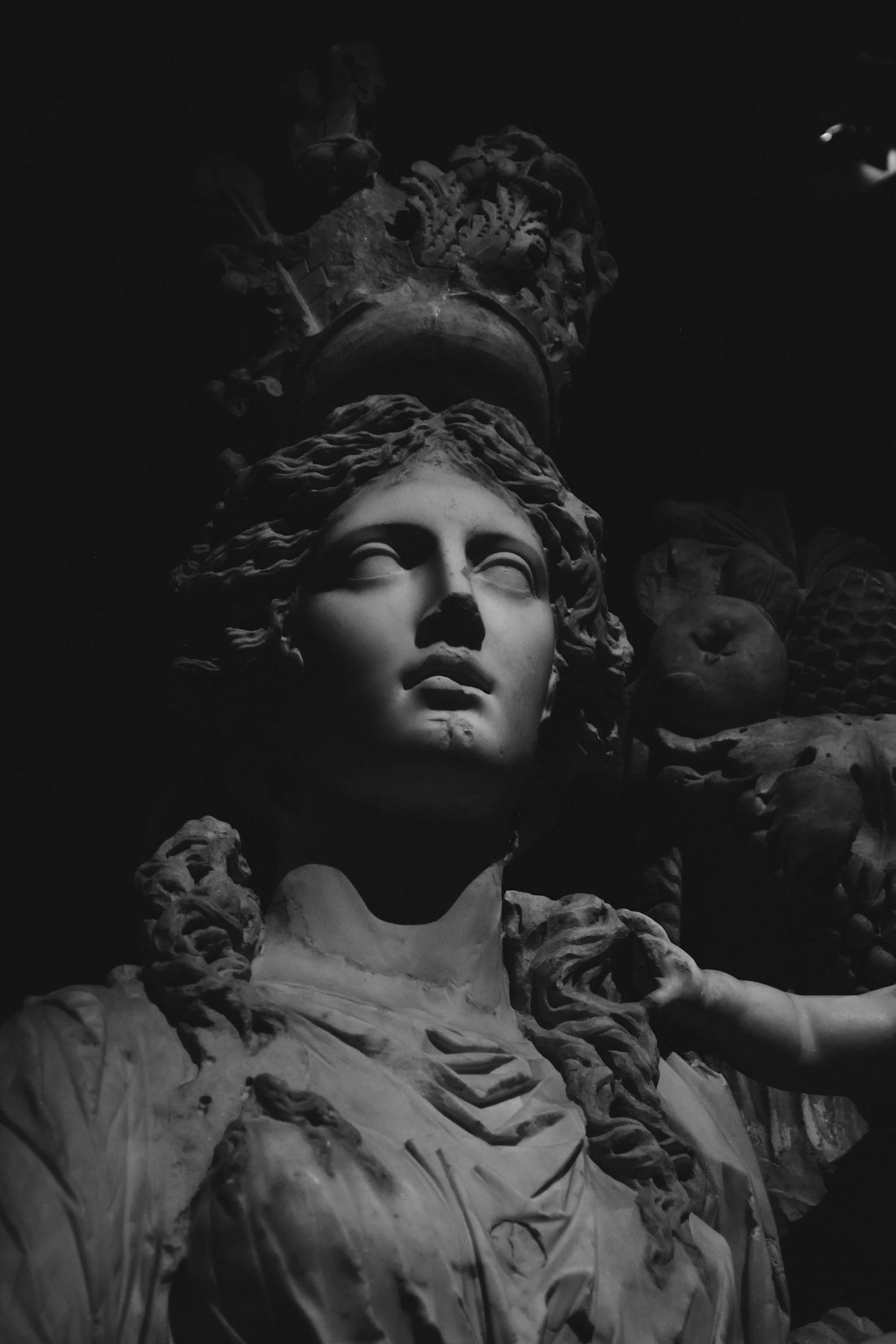
Iliad and Odyssey are not mythology. They are works of art. Mythology is the collection of a people’s stories that exist in the haze of shared consciousness. Works of art are concrete things. Iliad and Odyssey are actual books.
Here’s the way it works. Myths exist in people’s minds. Raw backbones of characters and their narratives. At times, though, one person will design a work of art using mythology, telling the myth in his or her own way to achieve his or her own purposes with the art. That work of art could be an epic poem, or a statue, or a painting.
Artists thus pull myths out of the haze of shared consciousness into reality and put them to use. As you read Homer, ask: What do the various characters, dilemmas, and events of the Iliad and the Odyssey get me thinking about?